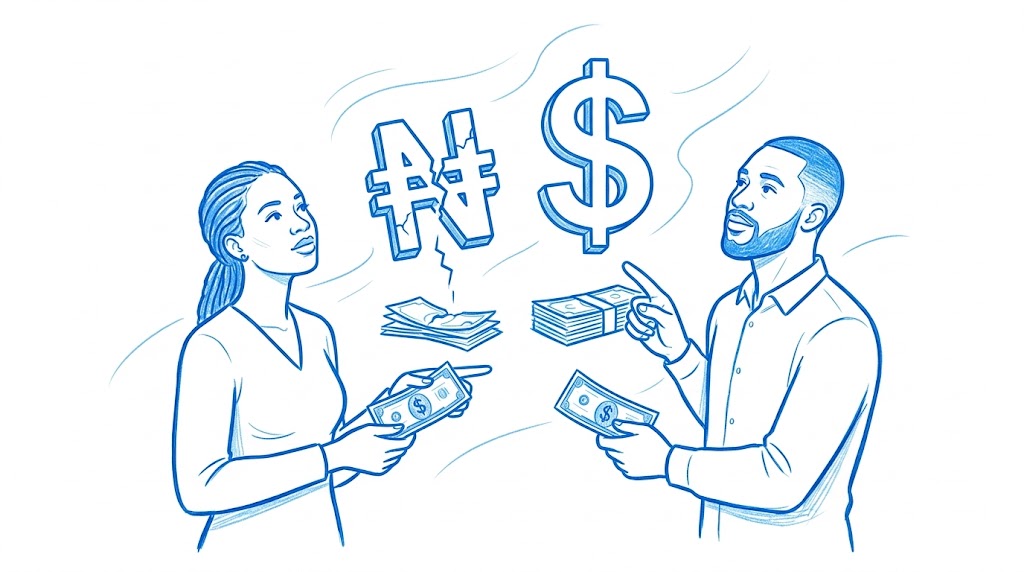
For many Nigerians today, saving money in naira no longer feels safe enough for the future. Over the past few years, the value of the naira has changed rapidly against the US dollar, making everyday goods more expensive and reducing purchasing power.
Because of this, more Nigerians are now looking for ways to save in dollars instead of naira. From freelancers and business owners to students and salary earners, dollar savings have become a major financial trend in Nigeria.
But why exactly are Nigerians choosing dollars over their own local currency?
The Main Reason: Protecting Value
The biggest reason people save in dollars is simple: the dollar usually holds its value better than the naira.
When the naira weakens, prices of imported goods, food, electronics, fuel, and even rent can rise quickly. Someone who saved ₦1 million a year ago may discover that the same money buys much less today.
This is why many people now prefer keeping part of their money in USD.
Related:
Inflation Makes Naira Savings Risky
Nigeria has experienced high inflation for years. Inflation means prices keep increasing over time.
If your savings stay in naira while inflation rises, your money gradually loses buying power.
For example:
- Food becomes more expensive
- Transport costs rise
- Imported products cost more
- School fees and rent increase
This is one reason many Nigerians now convert savings into dollars whenever they can.
Related:
The Dollar Is Seen as More Stable
Globally, the US dollar is one of the strongest and most trusted currencies.
Even when global markets change, many investors and countries still rely on the dollar for trade and savings. Nigerians also see the dollar as a safer store of value compared to the naira.
This is especially true for:
- Freelancers earning online
- Remote workers
- Importers
- Business owners
- Nigerians receiving money from abroad
Many now choose to hold their income in USD before converting to naira only when necessary.
Related:
Dollar Savings Help During Naira Depreciation
When the naira falls against the dollar, people holding dollars often gain more naira value.
For example:
- $1,000 saved today could convert to much more naira later if the exchange rate rises
- People who kept savings in dollars during major naira devaluations protected their purchasing power better
This is one reason dollar savings are becoming popular among young Nigerians.
Related:
More Nigerians Now Earn in Foreign Currency
The rise of remote work and online jobs has changed how many Nigerians earn money.
Today, thousands of Nigerians work for:
- Foreign companies
- International clients
- Freelance platforms
- Tech startups
- Content creation platforms
Many of these jobs pay in USD, GBP, or EUR.
Instead of converting immediately, workers often keep their money in dollars to avoid losing value from exchange rate changes.
Different Ways Nigerians Save in Dollars
People save in dollars through different methods, including:
- Domiciliary bank accounts
- Fintech apps with USD wallets
- Cash dollar savings
- Stablecoins like USDT
- International payment platforms
Each method has different advantages and risks depending on convenience, regulation, and accessibility.
Related:
There Are Still Risks to Dollar Savings
Although dollar savings can protect value, there are also risks Nigerians should understand.
Some challenges include:
- Exchange rate volatility
- Difficulty accessing physical dollars
- Fraud from unofficial exchange platforms
- Government forex policy changes
- Banking restrictions
This is why many people now split savings between naira and dollars instead of relying on only one currency.
Related:
Why This Trend Is Growing in Nigeria
As inflation continues and exchange rates remain unstable, more Nigerians are becoming financially aware of currency risks.
People are no longer thinking only about how much money they save. They are also thinking about what their savings will still be worth in the future.
For many Nigerians, saving in dollars feels like a way to preserve value, reduce financial uncertainty, and stay protected against naira depreciation.
That is why dollar savings continue to grow across Nigeria in 2026.