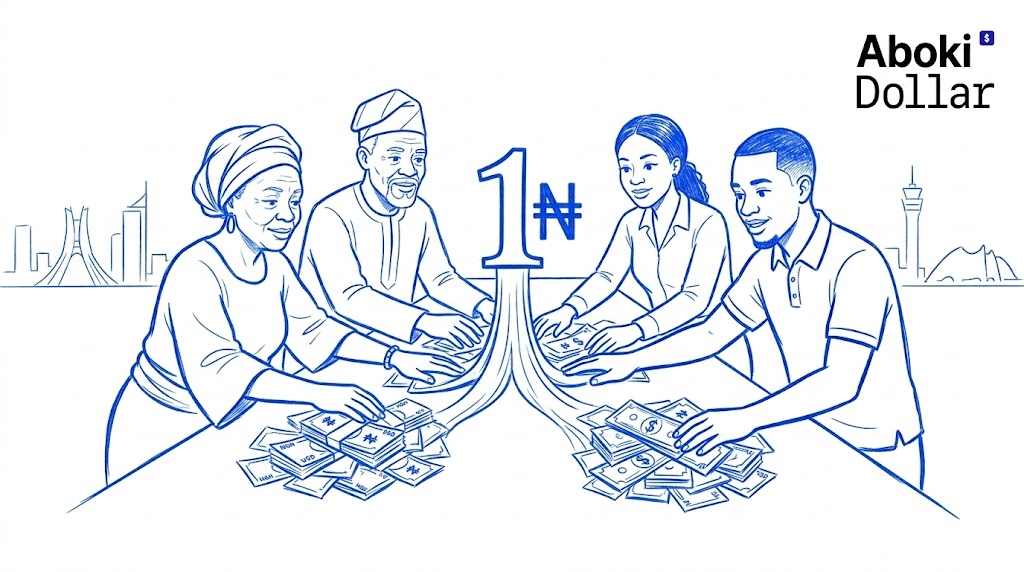
If you’ve ever compared exchange rates in Nigeria, you’ve probably noticed something confusing. The rate you see at the bank is different from what you get on the street.
This raises a big question: will Nigeria ever have just one unified exchange rate?
It sounds simple, but the reality is more complicated.
What Is a Unified Exchange Rate?
A unified exchange rate means there is only one official price for foreign currency across the country. Whether you go to a bank, a Bureau De Change, or use an online platform, the rate should be the same.
Right now, Nigeria operates with multiple rates:
- The official rate set by authorities
- The rate used by banks and formal channels
- The open market rate, which many people track daily
You can see how these differences play out by comparing the official CBN exchange rate with the current dollar to naira black market rate.
Why Nigeria Has Multiple Exchange Rates
The main reason is simple: demand for dollars is higher than the supply available through official channels.
When people and businesses can’t get enough foreign currency from banks, they turn to alternative markets. That’s how multiple rates naturally develop.
This is closely linked to how the system works, which you can explore further in this guide on who controls the dollar to naira rate in Nigeria.
What Needs to Happen for a Unified Rate?
For Nigeria to move to a single exchange rate, a few key things must improve:
- Increased dollar supply: More foreign currency coming into the economy through exports, investment, and remittances
- Better liquidity: Enough supply to meet demand without shortages
- Policy consistency: Stable and predictable decisions from regulators
The concept of liquidity plays a big role here. If you’re curious, this explains why FX liquidity matters in Nigeria.
Has Nigeria Tried to Unify Rates Before?
Yes, several times.
There have been efforts to merge official and market rates into a single system. At certain points, the gap between rates narrowed, giving the impression that full unification was close.
But each time, challenges like low dollar supply or rising demand caused the gap to widen again.
What’s Stopping Full Unification?
A few major challenges keep getting in the way:
- Foreign exchange shortages: Not enough dollars to meet demand
- Economic pressure: Inflation and import dependence increase demand for forex
- Market confidence: People often prefer holding dollars when uncertainty is high
These factors are also why many people follow updates like why the naira rises and falls to understand market direction.
Is a Unified Exchange Rate Possible?
Yes, but it depends on long-term changes.
Countries that have achieved a unified rate usually have strong foreign reserves, steady export earnings, and consistent economic policies.
For Nigeria, progress will likely be gradual rather than instant.
What This Means for You
For now, the reality is that multiple exchange rates will continue to exist.
If you exchange money regularly, the best approach is to stay informed and compare rates before making decisions. Tools like the currency converter can help you quickly estimate values.
Even checking simple benchmarks like how much 100 dollars is in naira today gives you a clearer picture of where the market stands.
Final Thoughts
A unified exchange rate in Nigeria is possible, but it won’t happen overnight.
It depends on stronger dollar inflows, stable policies, and a better balance between supply and demand.
Until then, understanding how the system works puts you in a better position to navigate it confidently.