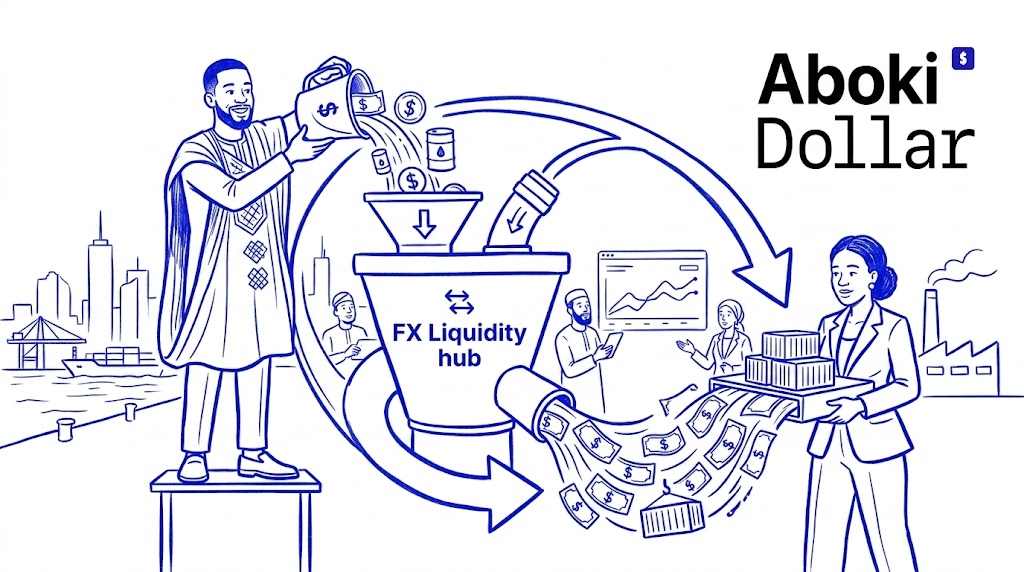
If you’ve ever wondered why the dollar to naira rate can suddenly jump or drop within hours, there’s a good chance FX liquidity is behind it. It sounds technical, but the idea is actually simple. It comes down to how much foreign currency is available in the market at any given time.
In Nigeria, FX liquidity plays a huge role in shaping exchange rates, business costs, and even the price of everyday goods. Once you understand how it works, a lot of things about the naira start to make sense.
What Exactly Is FX Liquidity?
FX liquidity simply means how easy it is to buy or sell foreign currency like US dollars without causing big price changes.
Think of it like this:
- If dollars are widely available, transactions happen smoothly and rates stay relatively stable.
- If dollars are scarce, buyers compete for limited supply, and the price (exchange rate) shoots up.
So when people say “liquidity is tight,” it means there aren’t enough dollars in the system.
Where Does FX Liquidity Come From in Nigeria?
Foreign exchange doesn’t just appear in the system. It comes from specific sources:
- Oil exports: Nigeria earns most of its dollars from crude oil sales.
- Foreign investment: Investors bringing money into Nigerian stocks or businesses.
- Remittances: Nigerians abroad sending money home.
- Exports: Non-oil sectors like agriculture and manufacturing.
The Central Bank of Nigeria (CBN) also plays a key role by supplying dollars into the official market and managing overall liquidity.
Why FX Liquidity Affects Dollar to Naira Rates
The connection is straightforward. When dollar supply is high, the naira tends to strengthen. When supply drops, the naira weakens.
This is why you’ll often see sharp movements in rates across the black market dollar to naira page, especially during periods of low inflows.
To get a full picture of official pricing, you can also track the CBN exchange rate, which reflects how liquidity is managed at the institutional level.
What Happens When Liquidity Is Low?
Low FX liquidity affects more than just exchange rates. It spreads across the entire economy.
- Higher dollar rates: Businesses and individuals pay more to access foreign currency.
- Rising prices: Imported goods become more expensive.
- Business pressure: Companies struggle to source dollars for operations.
- Market volatility: Rates change quickly and unpredictably.
This is one of the key reasons explained in our guide on why the dollar rate changes every day in Nigeria.
What Happens When Liquidity Improves?
When more dollars enter the system, things calm down:
- The naira stabilizes or strengthens
- Exchange rate gaps reduce
- Businesses can plan better
- Investor confidence improves
This is why periods of strong inflows often align with more stable trends, something we track weekly in our dollar to naira trend analysis.
Real-Life Example: Why Rates Can Differ Daily
Let’s say demand for dollars suddenly increases due to import payments or travel season. If supply doesn’t match that demand, the exchange rate rises quickly.
On the flip side, if there’s a surge in remittances or oil revenue inflows, more dollars enter the system and rates may ease.
You can always calculate how these changes affect your money using the Aboki Dollar currency converter for real-time value checks.
Why FX Liquidity Matters to You
This isn’t just something for economists. FX liquidity affects everyday decisions:
- If you send or receive money from abroad
- If you run a business that imports goods
- If you pay for international services or tuition
- If you’re saving in dollars
Even small conversions, like checking the value of $100 to naira, are influenced by how much liquidity is available at that moment.
Final Thoughts
FX liquidity is one of the biggest forces shaping Nigeria’s exchange rate. When dollars are available, the system works smoothly. When they are scarce, pressure builds across the economy.
Understanding this helps you make better financial decisions, whether you’re exchanging money, running a business, or planning international transactions.
For daily updates, live rates, and deeper insights, keep checking Aboki Dollar and follow the latest updates in our Bureau De Change news section.