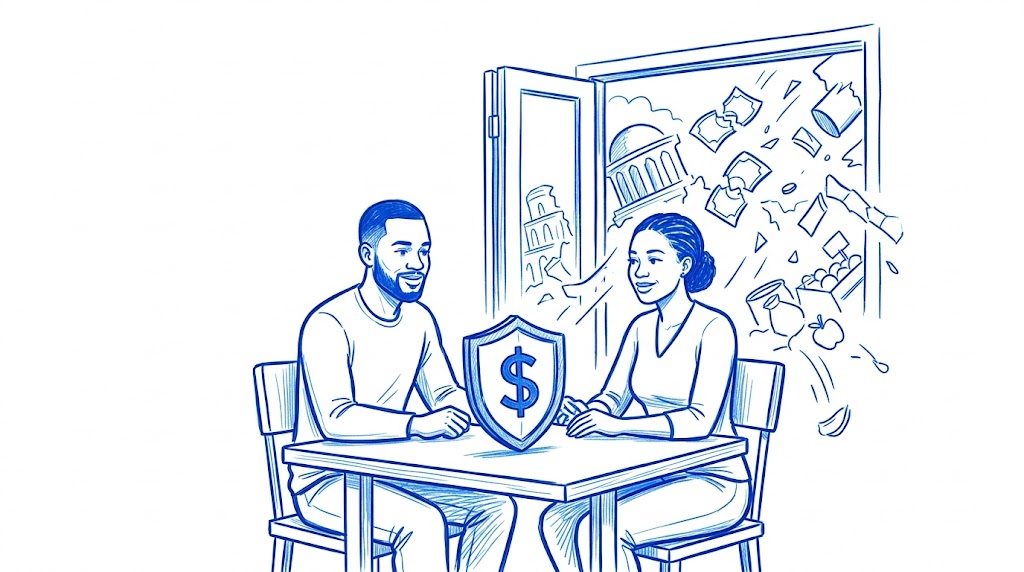
Inflation has become one of the biggest financial problems affecting Nigerians today. Prices of food, fuel, transportation, rent, and imported goods continue to rise, making it harder for many people to maintain the same standard of living.
Because of this, more Nigerians are now looking for safer ways to protect the value of their money. One strategy becoming increasingly popular is saving in US dollars instead of keeping all savings in naira.
Dollar savings are now seen by many Nigerians as a way to reduce the impact of inflation and preserve purchasing power over time.
Related:
- Why Nigerians Prefer Saving in Dollars Instead of Naira
- How Inflation Affects Dollar to Naira Exchange Rate
What Inflation Really Means
Inflation happens when prices of goods and services increase over time.
In Nigeria, inflation affects everyday life in many ways:
- Food becomes more expensive
- Transportation costs rise
- Rent increases
- Imported goods cost more
- School fees and healthcare expenses grow higher
When inflation rises faster than income growth, the value of naira savings starts to weaken.
This means the same amount of money buys fewer things over time.
Why Many Nigerians No Longer Trust Naira Savings Alone
For years, Nigerians have watched the naira lose value against major foreign currencies like the US dollar.
Someone who saved money in naira several years ago may discover that those savings now have far less purchasing power today.
This is one reason many people are moving part of their savings into dollars.
Instead of focusing only on how much money they save, people are now thinking about how well their savings can hold value in the future.
Related:
- Why the Naira Falls and Rises: Explained Simply
- What Happens When the Naira Gets Stronger or Weaker?
How Dollar Savings Help Protect Purchasing Power
The US dollar is generally considered more stable than the naira.
When the naira weakens against the dollar, people holding dollar savings often maintain more purchasing power compared to those saving only in naira.
For example:
- If the exchange rate rises from ₦1,500/$ to ₦1,800/$, dollar holders gain more naira value
- Imported goods become more expensive in naira, but dollar holders may handle those price increases more easily
- Savings kept in dollars may lose value more slowly compared to naira savings during inflation periods
This is why many Nigerians now treat dollar savings as a financial protection strategy.
Imported Goods Are Directly Affected by the Dollar
Nigeria imports many products from abroad, including:
- Electronics
- Fuel-related products
- Cars and spare parts
- Medical equipment
- Food ingredients
- Fashion items
Most of these goods are priced globally in dollars.
When the naira weakens, businesses spend more naira to import these products, and consumers eventually pay higher prices.
People who already have dollar savings may feel less pressure from these rising costs.
Related:
Remote Workers and Freelancers Benefit More
Many Nigerians now earn income online through remote jobs, freelancing, content creation, and international business.
Because they are paid in dollars, some workers choose to keep part of their earnings in USD instead of converting everything immediately into naira.
This helps them:
- Avoid sudden exchange rate losses
- Preserve value during inflation
- Convert only when necessary
- Plan long-term finances more effectively
Related:
Popular Ways Nigerians Save in Dollars
Nigerians now use different methods to save in foreign currency, including:
- Domiciliary bank accounts
- USD fintech wallets
- International payment platforms
- Dollar cash savings
- Stablecoins like USDT
Each option comes with different benefits, risks, fees, and accessibility levels.
Dollar Savings Are Not Completely Risk-Free
Although dollar savings can help reduce inflation risk, they are not perfect.
Some challenges include:
- Exchange rate fluctuations
- Government forex policies
- Access restrictions
- Scams and fake exchange platforms
- Global dollar inflation
Because of this, financial experts often recommend balancing savings across multiple assets instead of relying entirely on one currency.
External Resource:
Why Dollar Savings Continue to Grow in Nigeria
As inflation and exchange rate uncertainty continue, Nigerians are becoming more focused on protecting the long-term value of their money.
Dollar savings are now viewed by many people as a practical hedge against naira depreciation and rising living costs.
While no financial strategy is completely risk-free, holding part of one’s savings in dollars has become one of the most common ways Nigerians try to stay financially stable during uncertain economic periods.
That trend is likely to continue as more people seek ways to protect their purchasing power in 2026 and beyond.