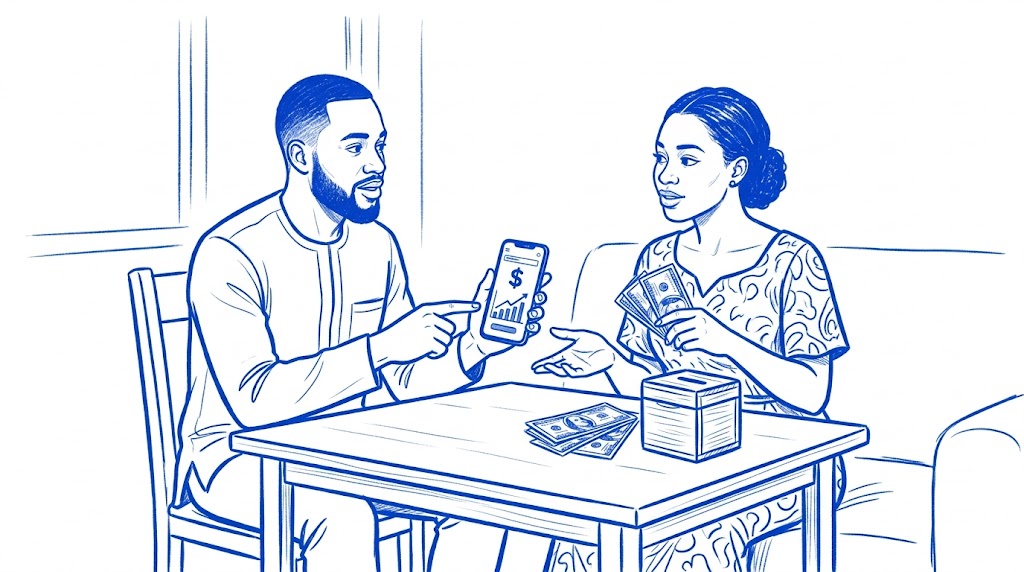
As more Nigerians look for ways to protect their money from inflation and naira depreciation, dollar savings have become increasingly popular. Two of the most common methods people use are domiciliary accounts and physical cash dollar savings.
Both options allow Nigerians to hold value in US dollars, but they work very differently. Each method comes with its own advantages, risks, convenience level, and security concerns.
So which option is actually better for saving dollars in Nigeria?
Related:
- Why Nigerians Prefer Saving in Dollars Instead of Naira
- Best Ways to Save in USD While Living in Nigeria
What Is a Domiciliary Account?
A domiciliary account is a foreign currency bank account that allows Nigerians to save, receive, and send money in currencies like USD, GBP, or EUR.
Most commercial banks in Nigeria offer domiciliary accounts.
These accounts are commonly used by:
- Freelancers
- Remote workers
- Importers
- Business owners
- Nigerians receiving international transfers
Instead of converting foreign currency into naira immediately, account holders can keep their money directly in dollars.
What Are Cash Dollar Savings?
Cash dollar savings simply mean holding physical US dollar notes personally instead of storing them in a bank.
Some Nigerians prefer keeping dollar cash at home, in safes, or through trusted private storage methods.
This method is often chosen by people who:
- Want direct access to physical dollars
- Do not fully trust banking systems
- Want to avoid withdrawal restrictions
- Trade frequently in cash markets
However, physical cash savings also come with serious risks.
Advantages of a Domiciliary Account
Domiciliary accounts provide several important benefits.
1. Better Security
Money stored in a bank account is generally safer than keeping large amounts of physical cash at home.
This reduces risks such as:
- Theft
- Fire damage
- Loss of cash
- Accidental destruction
2. Easy International Transactions
Domiciliary accounts make it easier to:
- Receive international transfers
- Send payments abroad
- Pay for online services
- Handle foreign business transactions
This is one reason many freelancers and business owners prefer them.
3. Digital Convenience
Most banks now allow customers to manage domiciliary accounts through mobile banking apps and online banking platforms.
This makes dollar management easier without carrying physical cash around.
Related:
Disadvantages of a Domiciliary Account
Despite the advantages, domiciliary accounts also have limitations.
1. Withdrawal Restrictions
Some Nigerians complain about delays or limitations when trying to withdraw physical dollar cash from banks.
Bank policies and forex availability may affect access to funds.
2. Banking Requirements
Opening a domiciliary account may require:
- Valid identification
- Utility bills
- References
- Minimum deposits
For some people, this process can feel stressful or time-consuming.
3. Government Policy Risks
Foreign exchange regulations and banking policies can change over time.
These changes may affect access, transfer limits, or account operations.
Related:
Advantages of Cash Dollar Savings
1. Immediate Access
People holding physical dollar cash can access their money instantly without depending on banking systems.
This is especially useful during emergencies or urgent transactions.
2. No Banking Restrictions
Cash holders do not worry about transfer limits, app downtimes, or banking delays.
They maintain direct control over their money.
3. Useful in Informal Markets
Some businesses and exchange markets in Nigeria still operate heavily with physical cash.
For frequent traders, cash may sometimes feel more convenient.
Disadvantages of Cash Dollar Savings
1. Security Risks
Keeping large amounts of dollar cash at home can be dangerous.
Risks include:
- Theft
- Robbery
- Fire outbreaks
- Damage from water or poor storage
2. No Financial Records
Unlike bank accounts, physical cash savings do not provide transaction history or financial records.
This can make tracking money more difficult.
3. Fake Currency Risk
Some Nigerians unknowingly receive counterfeit dollar notes during exchange transactions.
This is one reason people are advised to use trusted exchange sources.
External Resource:
Which Option Is Better?
The better option depends on individual financial needs and risk tolerance.
A domiciliary account may be better for:
- Long-term savings
- Remote workers
- Business owners
- International transactions
- Safer storage
Cash dollar savings may appeal more to people who:
- Want immediate physical access
- Prefer avoiding banking restrictions
- Trade frequently with cash
Some Nigerians even combine both methods by keeping part of their savings digitally and part physically.
Why More Nigerians Are Moving Toward Dollar Savings
Inflation, exchange rate instability, and rising living costs continue to push Nigerians toward alternative savings methods.
For many people, dollar savings are no longer only about profit. They are about preserving value and maintaining financial stability during uncertain economic periods.
That is why both domiciliary accounts and cash dollar savings continue to grow in popularity across Nigeria in 2026.
For more discussions and real-life experiences about dollar savings in Nigeria, comment here.