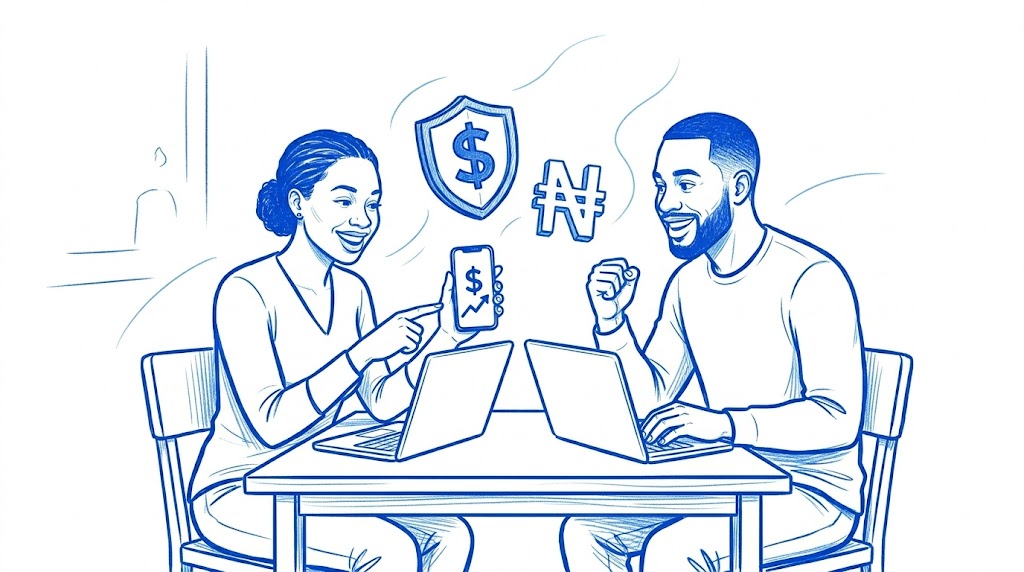
Across Nigeria, more freelancers are now requesting payment in US dollars instead of naira. From designers and developers to writers, marketers, video editors, and virtual assistants, many remote workers believe earning in USD provides better financial stability compared to local currency payments.
As exchange rates continue to fluctuate and inflation affects the cost of living, earning in dollars has become one of the biggest financial advantages for Nigerian freelancers working with international clients.
If you want to understand the broader reason Nigerians are increasingly moving toward dollar savings and foreign currency earnings, read our pillar guide here: Why Nigerians Prefer Saving in Dollars Instead of Naira.
1. USD Helps Protect Freelancers from Naira Depreciation
One of the biggest reasons freelancers prefer USD payments is the declining value of the naira over time.
When freelancers are paid in naira, their income may lose value quickly during periods of inflation or exchange rate volatility. However, earning in dollars helps preserve purchasing power because the US dollar is generally more stable internationally.
For example, a freelancer earning $1,000 monthly may see their naira equivalent increase whenever the dollar strengthens against the naira.
This gives many freelancers a financial advantage compared to relying entirely on local currency income.
2. Inflation in Nigeria Keeps Increasing Living Costs
Food prices, rent, transportation, internet subscriptions, electronics, and imported products have become more expensive in Nigeria over the years.
Freelancers earning in naira often struggle to keep up with rising costs, especially when clients refuse to increase rates regularly.
USD earnings help many freelancers better manage inflation because the value of their income adjusts naturally with exchange rate movements.
You can also read: How Dollar Savings Protect Nigerians from Inflation.
3. Most International Freelance Platforms Operate in USD
Popular freelance platforms and international clients usually pay in dollars.
Examples include:
- Upwork
- Fiverr
- Toptal
- Freelancer
- Direct remote contracts
Because these platforms operate globally, USD has become the default currency for many remote jobs and freelance contracts.
This naturally encourages Nigerian freelancers to prefer dollar payments over local currency conversions.
4. USD Payments Create Better Savings Opportunities
Many freelancers now use dollar earnings as part of their long-term savings strategy.
Instead of converting all income immediately into naira, some keep part of their earnings in:
- Domiciliary accounts
- Dollar wallets
- International fintech platforms
- Foreign investment accounts
The goal is often to protect savings from inflation and currency depreciation.
You may also like: Best Ways to Save in USD While Living in Nigeria.
5. Freelancers Can Earn More After Conversion
Exchange rates often work in favor of freelancers earning in dollars.
For example, if the dollar exchange rate rises:
- $500 earnings convert into more naira
- $1,000 earnings gain higher local value
- Remote workers may earn more purchasing power locally
This is one reason many Nigerians now actively seek remote jobs that pay in foreign currency.
You can monitor exchange rates daily on the Black Market Rate page and compare with the CBN Exchange Rate.
6. Some Freelancers Prefer Stable Financial Planning
Freelancers often deal with irregular income streams. Because of this, many prefer storing value in a stronger currency to reduce uncertainty.
USD earnings can make it easier to:
- Plan future expenses
- Save for relocation
- Pay for online tools and subscriptions
- Handle international transactions
- Invest in equipment upgrades
This financial flexibility is one reason dollar income is highly valued among remote workers in Nigeria.
7. International Clients Prefer Paying in USD
Another important factor is convenience for foreign clients.
Most clients based in the United States, Europe, Canada, or other international markets already budget in dollars or other major foreign currencies.
Paying freelancers in USD simplifies contracts and pricing for both parties.
Challenges Nigerian Freelancers Still Face
Despite the benefits of USD earnings, freelancers in Nigeria still face several challenges, including:
- Payment platform restrictions
- High withdrawal fees
- Exchange rate differences
- Bank conversion charges
- Transfer delays
Some freelancers also struggle with deciding whether to convert earnings immediately or hold dollars longer.
For more discussions and shared experiences from other freelancers, visit our community forum.
Should Freelancers Convert Everything to Naira?
Many financial experts suggest balancing both currencies instead of relying entirely on one.
Some freelancers:
- Convert only what they need monthly
- Save part of earnings in USD
- Invest in assets that protect value
- Use domiciliary accounts for long-term storage
This helps reduce exposure to inflation while still covering daily expenses in naira.
Final Thoughts
More Nigerian freelancers now prefer USD payments because dollar earnings offer better protection against inflation, stronger purchasing power, and improved financial stability compared to naira-only income.
As remote work continues growing in Nigeria, earning and saving in dollars will likely remain an important financial strategy for freelancers working with international clients.
To stay updated with daily exchange rate movements, visit Aboki Dollar.
You can also join discussions about freelancing, dollar payments, and remote work experiences on our forum community.