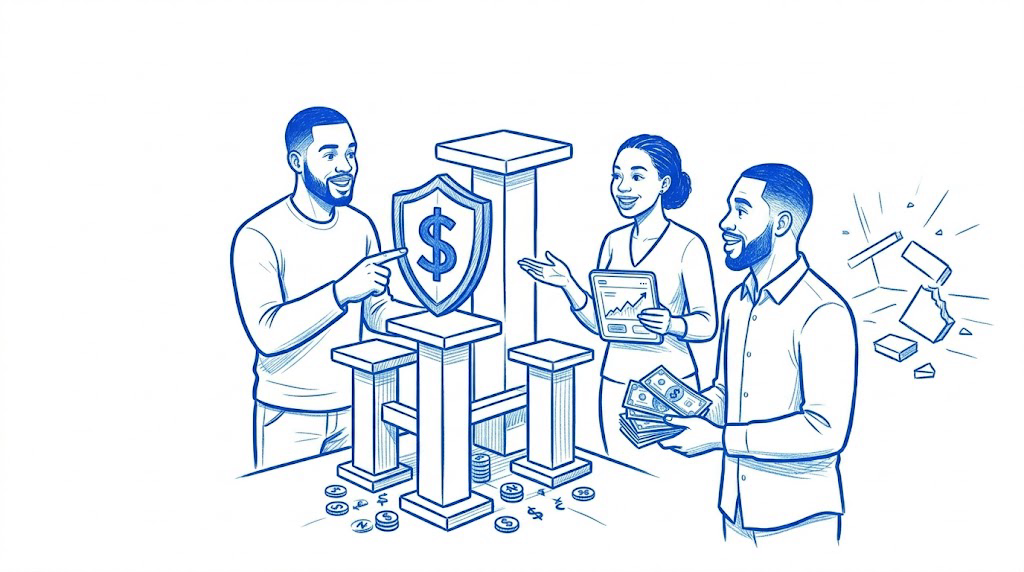
The Central Bank of Nigeria (CBN) has introduced fresh reforms aimed at improving transparency, liquidity, and efficiency in Nigeria’s foreign exchange market. For many Nigerians, these changes may sound technical, but they could directly affect how businesses access dollars, how exchange rates are determined, and even how much naira you receive when converting foreign currency.
Whether you are a freelancer earning in USD, an importer buying goods overseas, a business owner, or someone simply monitoring the dollar-to-naira exchange rate, understanding these new guidelines can help you make better financial decisions.
Why Did the CBN Introduce New FX Guidelines?
Over the years, Nigeria's foreign exchange market has faced challenges such as multiple exchange rates, low liquidity, speculation, and price distortions. The CBN says the latest reforms are designed to create a more transparent and market-driven system while improving confidence among investors and market participants.
Recent reforms include updated foreign exchange operational guidelines, stronger reporting standards, enhanced transparency measures, and efforts to deepen liquidity across the Nigerian Foreign Exchange Market (NFEM).
For a broader understanding of how Nigeria's FX market works, read our guide on Dollar to Naira Exchange Rate Explained.
Key Changes Nigerians Should Know
1. Increased Market Transparency
The CBN has continued its push toward a more transparent FX market by implementing standardized trading and reporting procedures. This helps reduce information gaps and makes exchange rate discovery more efficient.
Greater transparency can reduce uncertainty and improve confidence among businesses and investors operating within Nigeria's economy.
2. Improved FX Liquidity
One major objective of the reforms is to increase the availability of foreign currency within the official market.
More liquidity generally means businesses and individuals can access dollars more easily, potentially reducing pressure on alternative markets.
To understand why liquidity matters, see our article on What Is FX Liquidity and Why It Matters in Nigeria.
3. Stronger Oversight for Market Participants
The new framework places greater emphasis on compliance, reporting, governance, and ethical conduct among banks, authorized dealers, and other market participants.
The goal is to reduce market abuse and improve overall confidence in the foreign exchange ecosystem.
4. Continued Move Toward a Market-Driven Exchange Rate
The reforms support the ongoing transition toward a more market-based exchange rate system where supply and demand play a larger role in determining currency prices.
This means exchange rates may continue to fluctuate based on economic conditions, foreign investment inflows, oil revenues, and overall market sentiment.
How Could This Affect Ordinary Nigerians?
The impact may not be immediate, but several groups could benefit if the reforms achieve their intended goals.
- Freelancers receiving international payments may experience more stable conversion channels.
- Importers may find it easier to access foreign currency through official sources.
- Investors could gain more confidence in Nigeria's financial markets.
- Travelers may benefit from improved access to foreign exchange through authorized channels.
- Businesses may face less uncertainty when planning international transactions.
Will the Dollar-to-Naira Rate Become More Stable?
Stability depends on more than regulations alone. While improved transparency and liquidity can help reduce volatility, exchange rates are still influenced by factors such as:
- Global oil prices
- Foreign investment inflows
- Nigeria's foreign reserves
- Inflation levels
- Demand for foreign currency
- Economic growth and confidence
The new guidelines may improve market efficiency, but long-term stability will depend on broader economic conditions.
You can also read How CBN Policy Changes Impact Exchange Rates in Nigeria for more insights.
What This Means for Businesses
Businesses that rely on imports, international payments, or foreign suppliers should pay close attention to these reforms.
A more transparent FX market can improve planning, budgeting, and risk management. Companies may also find it easier to obtain foreign exchange through official channels if liquidity improves over time.
For businesses trying to choose the right exchange rate benchmark, see Which Exchange Rate Businesses Should Use in Nigeria.
What This Means for Dollar Holders
Many Nigerians save in dollars to protect against inflation and naira depreciation. The new reforms do not eliminate the need for smart financial planning, but they could influence how foreign currency is accessed and priced in the future.
If you currently hold dollars or receive foreign income, staying informed about FX policy changes can help you make better decisions regarding savings, conversions, and investments.
Stay Updated on Dollar to Naira Rates
As Nigeria's FX market continues to evolve, monitoring exchange rates and policy developments remains important.
You can track daily rates using Aboki Dollar's Black Market Rate page and CBN Exchange Rate page.
If you have questions about the new FX guidelines or want to discuss how they affect your finances, join the conversation on our Aboki Dollar Forum. Share your thoughts, ask questions, and learn from other Nigerians following developments in the foreign exchange market.
Final Thoughts
The CBN's latest FX market reforms represent another step toward creating a more transparent, liquid, and efficient foreign exchange system in Nigeria.
While the full impact will take time to unfold, the reforms could improve market confidence, increase dollar availability, and make exchange rate determination more transparent. For Nigerians, businesses, investors, and anyone dealing with foreign currency, understanding these changes is essential as the country's FX market continues to evolve.
Sources: