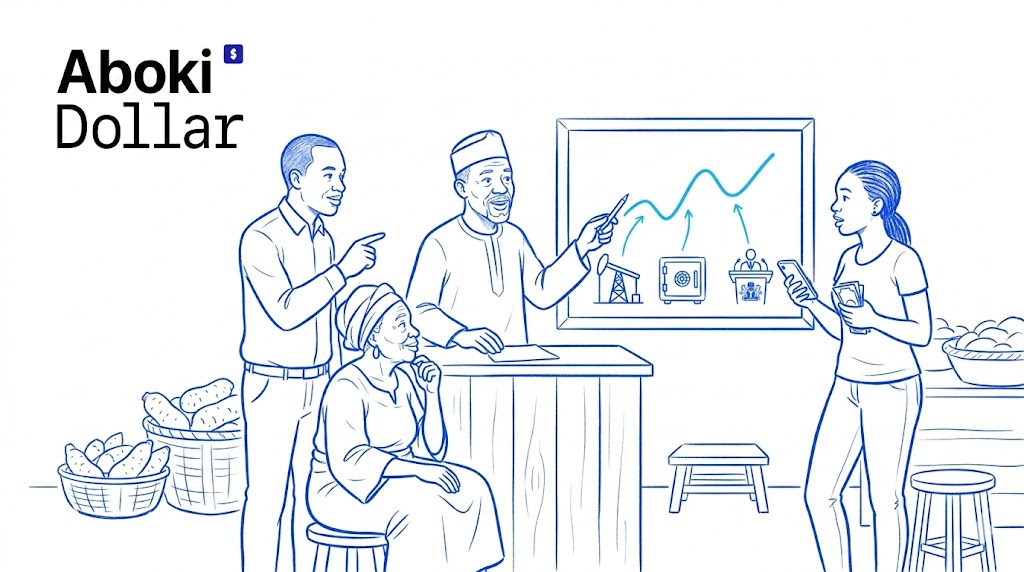
If you’ve ever watched the dollar to naira rate move up and down, you’ve probably wondered what’s actually behind it.
It’s not random. There are clear factors that push the rate higher or lower.
Once you understand them, the daily changes start to make a lot more sense.
1. Supply and Demand for Dollars
This is the biggest factor.
When more people want dollars than the amount available, the price goes up. When there’s enough supply, the rate can stabilize or even drop.
In Nigeria, demand for dollars is high because many goods and services depend on imports.
You can see how this plays out in real time by checking the current dollar to naira rate.
2. Foreign Exchange Supply
Where do the dollars come from?
- Oil exports
- Foreign investments
- Remittances from Nigerians abroad
When these inflows increase, more dollars enter the system, which can ease pressure on the naira.
When they drop, supply becomes tight and the rate rises.
3. Central Bank Policies
Decisions from the Central Bank play a major role.
These include:
- Setting the official CBN exchange rate
- Controlling access to foreign currency
- Intervening in the market by supplying dollars
Policy changes can quickly influence how the market reacts.
4. Inflation in Nigeria
When prices rise locally, the value of the naira tends to weaken.
This increases demand for dollars as people look for a more stable store of value.
If inflation remains high, it can continue to push the exchange rate upward.
This is closely explained in this guide on how inflation affects the dollar to naira rate.
5. Market Confidence
Confidence matters more than many people realize.
If businesses and individuals believe the naira will lose value, they tend to move into dollars.
This increases demand and pushes the rate higher.
If confidence improves, demand for dollars can slow down.
6. Global Factors
What happens outside Nigeria also affects the exchange rate.
- Oil prices (Nigeria’s main export)
- Global interest rates
- Economic conditions in major countries
For example, when oil prices fall, Nigeria earns fewer dollars, which can affect supply.
7. Gap Between Official and Market Rates
Nigeria operates with multiple exchange rates.
When access to official forex is limited, people turn to other channels, increasing demand there.
This creates a gap between rates.
You can understand this better in this article on black market vs CBN rates in Nigeria.
Simple Example
Let’s say demand for dollars suddenly increases while supply stays the same.
The price of the dollar will rise.
You can see how even small changes affect value by checking how much 100 dollars is in naira today.
What This Means for You
Understanding these factors helps you make better decisions when:
- Sending money
- Exchanging currency
- Planning international payments
Tools like the currency converter can help you estimate outcomes before making a move.
Final Thoughts
The dollar to naira rate isn’t controlled by one single factor.
It’s a mix of supply, demand, policy decisions, and global influences.
Once you understand these, the daily changes become easier to follow, and you’re in a better position to make smart financial choices.