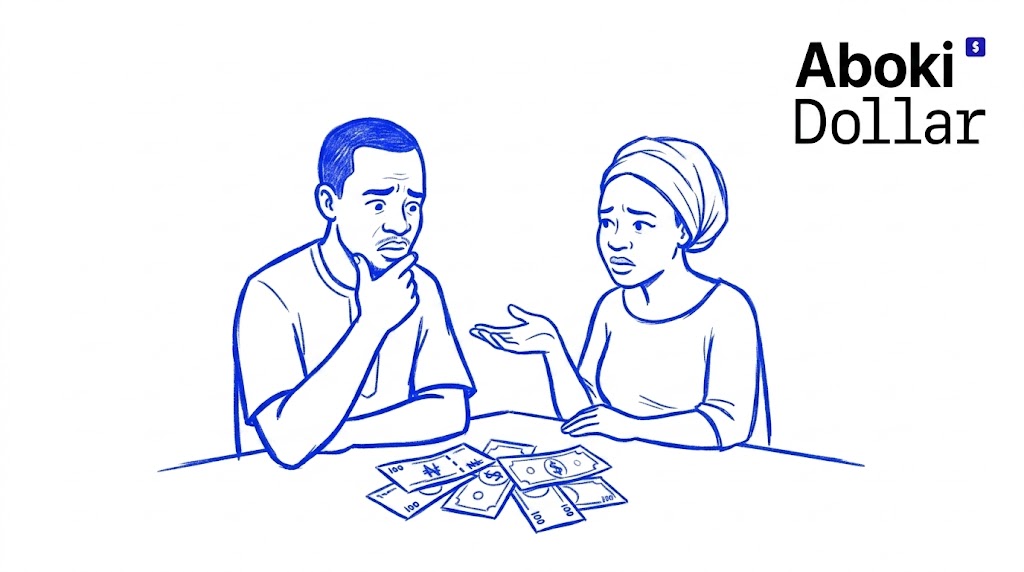
In Nigeria, the term “black market” comes up a lot when people talk about exchanging dollars. But one question keeps popping up: is it actually illegal?
The short answer is not as straightforward as many people expect. There’s a legal side, a practical reality, and a big gap between both.
What Is the Black Market in Nigeria?
The black market refers to unofficial currency exchange channels where individuals buy and sell foreign currency outside the banking system. In Nigeria, this usually involves Bureau De Change operators and street traders offering rates that are often higher than official bank rates.
If you’ve ever checked the latest dollar to naira black market rate, you’ve already seen how different it can be compared to bank rates.
Is the Black Market Illegal?
Legally speaking, foreign exchange transactions in Nigeria are regulated by the Central Bank of Nigeria (CBN). Only licensed institutions, such as banks and approved Bureau De Change operators, are allowed to trade foreign currency officially.
This means that:
- Unlicensed forex trading is not permitted under Nigerian financial regulations
- Street-level currency exchange activities fall outside official approval
However, in reality, the black market operates openly across major cities like Lagos, Abuja, and Kano. It exists because of one simple reason: demand.
Why Nigerians Still Use the Black Market
Even with regulations in place, millions of Nigerians rely on the black market daily. Here’s why:
- Limited access to dollars from banks: Many people cannot get foreign currency through official channels
- Faster transactions: Black market exchanges are quick and straightforward
- Better rates: The rates are often more attractive than official rates
If you compare the official CBN exchange rate with what is available on the street, the gap becomes obvious.
What the Law Says vs Reality
There’s a clear difference between policy and what happens on the ground.
The Central Bank has, at different times, tried to control or restrict access to foreign exchange. These policies are usually aimed at stabilizing the naira and managing the country’s reserves.
You can read more about how the system works directly from the Central Bank of Nigeria (CBN).
But when supply through official channels is tight, people naturally look for alternatives. That’s where the black market fills the gap.
Are There Risks Using the Black Market?
Yes, there are a few things to keep in mind:
- No legal protection: If something goes wrong, there’s no formal system to resolve disputes
- Fake currency risk: There’s always a chance of receiving counterfeit notes
- Rate volatility: Prices can change quickly, even within the same day
To stay informed, many people track daily updates on platforms like Aboki Dollar to avoid being caught off guard.
How This Affects the Naira
The black market plays a big role in shaping how people perceive the value of the naira. In many cases, it reflects the true demand and supply of foreign currency in the country.
This is also why topics like why black market rates are higher than bank rates are important to understand.
Final Thoughts
So, is the black market illegal in Nigeria? From a regulatory point of view, only licensed forex trading is allowed. But in practice, the black market has become a major part of how currency exchange works in the country.
For many Nigerians, it’s not just an option, it’s the only accessible route.
The smartest approach is to stay informed, compare rates, and understand the risks before making any exchange.