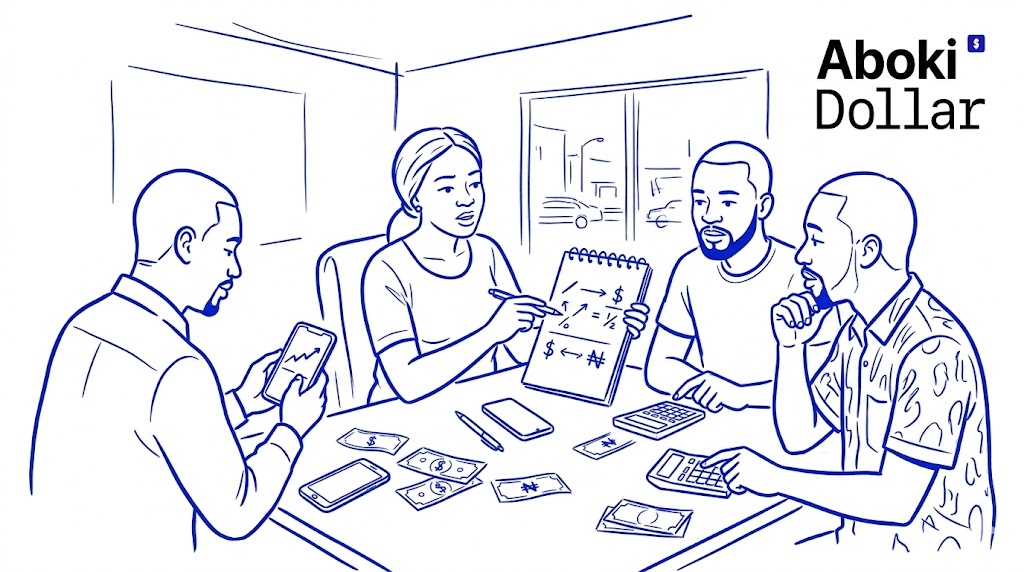
If you’ve ever walked up to a Bureau De Change (BDC) operator and asked for the dollar rate, you might have noticed something.
The price isn’t always fixed. It can change depending on the day, the location, and even the conversation.
So how do BDC operators actually decide the rate they give you?
To understand this properly, it helps to see how the broader system works. This full guide to black market vs CBN rates gives useful background.
1. Supply and Demand Comes First
The most important factor is simple: supply and demand.
If more people are buying dollars than selling, BDC operators raise their rates.
If there are more sellers, rates can drop.
This is why the market moves frequently.
You can track these changes on the live dollar to naira rate.
2. Cost of Getting Dollars
BDC operators don’t create dollars — they source them.
They may get dollars from:
- Other traders
- Remittance flows
- Business networks
The price they pay to get dollars directly affects the rate they offer customers.
If their cost goes up, their selling rate goes up too.
3. Market Trends and Signals
BDC operators pay close attention to market direction.
If the rate is rising across the market, they adjust quickly to avoid losses.
If it’s dropping, they may reduce rates to stay competitive.
Updates like weekly dollar to naira trends help reflect these movements.
4. Location Matters
Rates are not always the same everywhere.
In busy commercial areas, rates might be slightly higher due to stronger demand.
In quieter areas, rates may differ.
This is why two people in different locations can get different rates on the same day.
5. Negotiation Plays a Role
Unlike bank transactions, BDC rates are often negotiable.
The final rate you get can depend on:
- The amount you’re exchanging
- Your relationship with the trader
- Current market pressure
Larger amounts sometimes get slightly better rates.
6. Speed of Market Movement
The forex market in Nigeria moves quickly.
BDC operators adjust their rates throughout the day to keep up.
That’s why the rate you hear in the morning might change by evening.
This is also explained in why the dollar rate changes in Nigeria.
7. Difference from Official Rates
BDC rates are based on real market activity, not fixed policy.
That’s why they often differ from the CBN exchange rate.
Official rates are controlled, while BDC rates respond instantly to supply and demand.
Simple Example
Let’s say a BDC operator buys dollars at ₦1,380.
They may sell at ₦1,400 or slightly higher to cover costs and make a margin.
You can see how this affects value by checking how much 100 dollars is in naira today.
What This Means for You
When dealing with BDC operators:
- Always check the current market rate first
- Compare across different traders if possible
- Be aware that rates can change quickly
Tools like the currency converter can help you estimate values before exchanging.
Final Thoughts
BDC operators set dollar rates based on real-time market conditions.
It’s driven by supply, demand, cost, and competition.
Once you understand this, it becomes easier to navigate the market and get a fair deal when exchanging money.