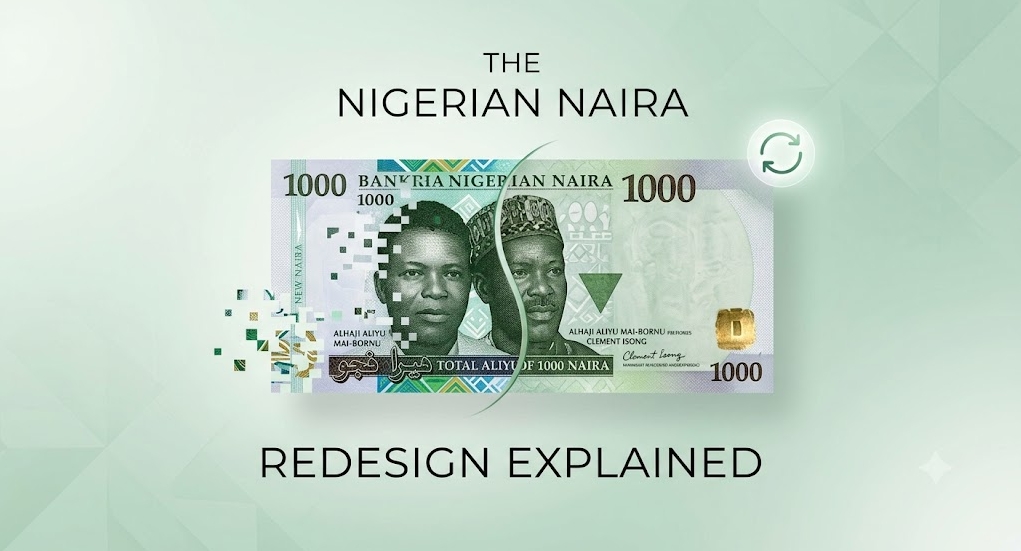
The redesign of Nigeria's ₦200, ₦500, and ₦1,000 banknotes in late 2022 became one of the most controversial monetary policy decisions in the country's history. While the policy was introduced with clear economic objectives, its implementation triggered widespread public debate, cash shortages, long bank queues, and significant disruption to businesses and households.
Years later, the naira redesign continues to be discussed as an important moment in Nigeria's financial history. Was it simply a currency redesign, or did it reveal deeper challenges within Nigeria's financial system?
This article examines the objectives, controversies, and economic consequences of the naira redesign using publicly available information and official statements.
If you're looking for today's exchange rates after the redesign era, compare the latest Black Market Rate, check the official CBN Exchange Rate, or calculate live conversions using the Aboki Dollar Currency Converter.
Why Was the Naira Redesigned?
In October 2022, the Central Bank of Nigeria (CBN) announced plans to redesign the ₦200, ₦500, and ₦1,000 banknotes. According to the Central Bank of Nigeria, the policy aimed to address several long-standing concerns affecting the country's monetary system.
The stated objectives included:
- Reducing the volume of currency held outside the banking system.
- Improving control over money supply.
- Strengthening the fight against counterfeit currency.
- Supporting monetary policy effectiveness.
- Encouraging greater adoption of electronic payments.
Currency redesigns are not unique to Nigeria. Many central banks periodically update banknotes to improve security features and modernize currency.
The Cash Crunch That Followed
While the objectives appeared straightforward, implementation proved challenging.
The deadline for exchanging old notes created intense demand for newly redesigned banknotes. Commercial banks struggled to meet withdrawal requests, resulting in widespread cash shortages across the country.
Many Nigerians experienced:
- Long queues at bank branches.
- Limited ATM withdrawals.
- Cash withdrawal restrictions.
- Difficulties paying for transportation and essential goods.
- Higher dependence on electronic payment channels.
For millions of people, especially those in cash-dependent communities, everyday transactions became significantly more difficult.
How Businesses Were Affected
Small businesses were among the hardest hit during the transition.
Retailers, market traders, transport operators, restaurants, and informal businesses that relied heavily on cash experienced reduced sales because customers simply could not access enough physical currency.
Some businesses temporarily accepted only electronic payments, while others struggled with unreliable digital payment systems due to increased transaction volumes.
The Rise of Digital Payments
One unexpected outcome of the redesign was the rapid increase in digital payment adoption.
Many Nigerians who previously relied on cash began using:
- Mobile banking applications.
- Internet banking.
- USSD banking services.
- Instant bank transfers.
- Digital wallets.
- POS transfers.
Although Nigeria had already been moving toward a cashless economy, the redesign accelerated this transition for many consumers and businesses.
Legal Challenges and Policy Changes
The redesign also generated legal and constitutional debates.
Several state governments challenged aspects of the implementation, leading to court proceedings that attracted national attention. Eventually, legal decisions affected the timeline for withdrawing the old banknotes from circulation.
These developments highlighted the importance of balancing monetary policy objectives with practical implementation and public access to cash.
Did the Redesign Affect Exchange Rates?
Many Nigerians associated the redesign with movements in the foreign exchange market. However, economists generally note that exchange rates are influenced by a much broader set of factors.
Some of the major drivers include:
- Foreign exchange supply.
- Demand for US dollars.
- Oil export earnings.
- Foreign reserves.
- Investor confidence.
- Inflation.
- Global economic conditions.
While the redesign influenced liquidity within the domestic economy, the value of the naira continued to depend on wider macroeconomic conditions.
What Were the Main Criticisms?
Although many experts agreed that updating banknotes was a legitimate monetary policy tool, critics focused primarily on the speed and execution of the rollout rather than the redesign itself.
Common concerns included:
- Insufficient availability of new banknotes.
- Short exchange timelines.
- Difficulties in rural communities.
- Pressure on banking infrastructure.
- Temporary disruption of commercial activities.
Financial analysts from publications including Nairametrics and BusinessDay Nigeria extensively covered both the intended benefits and the operational challenges throughout the redesign period.
Were There Any Long-Term Benefits?
Despite the short-term disruptions, the redesign also accelerated discussions around financial inclusion and payment modernization.
Some observers pointed to longer-term developments such as:
- Greater awareness of digital banking.
- Higher electronic transaction volumes.
- Improved adoption of fintech services.
- Renewed focus on monetary policy effectiveness.
Whether these benefits outweigh the short-term economic costs continues to be debated by economists and policymakers.
Lessons for Future Currency Reforms
The naira redesign demonstrated that successful monetary reforms require more than sound policy objectives. Public communication, banking infrastructure, adequate cash supply, and implementation planning are equally important.
Future reforms will likely benefit from lessons learned during this period, particularly regarding stakeholder engagement and phased implementation.
Final Thoughts
The naira redesign was one of the most significant monetary policy events in Nigeria's recent history. It sought to improve currency management, reduce excess cash outside the banking system, and strengthen the financial sector. At the same time, it exposed operational challenges that affected millions of Nigerians and sparked nationwide debate.
Understanding the redesign requires looking beyond headlines and considering both its intended objectives and its real-world impact. As Nigeria continues modernizing its financial system, the lessons from this episode will likely influence future currency and monetary policies.
For daily exchange rate updates, market analysis, and developments affecting Nigeria's foreign exchange market, visit the Bureau De Change News section. You can also compare the naira with major international currencies using the World Currencies hub on Aboki Dollar.